From AI operating surfaces to persistent multimodal context, here are the 5 things our AI Business Engineers are interested in this week!
SIGNAL WORTH NOTICING
The AI Stack Is Moving From Apps to Operating Surfaces
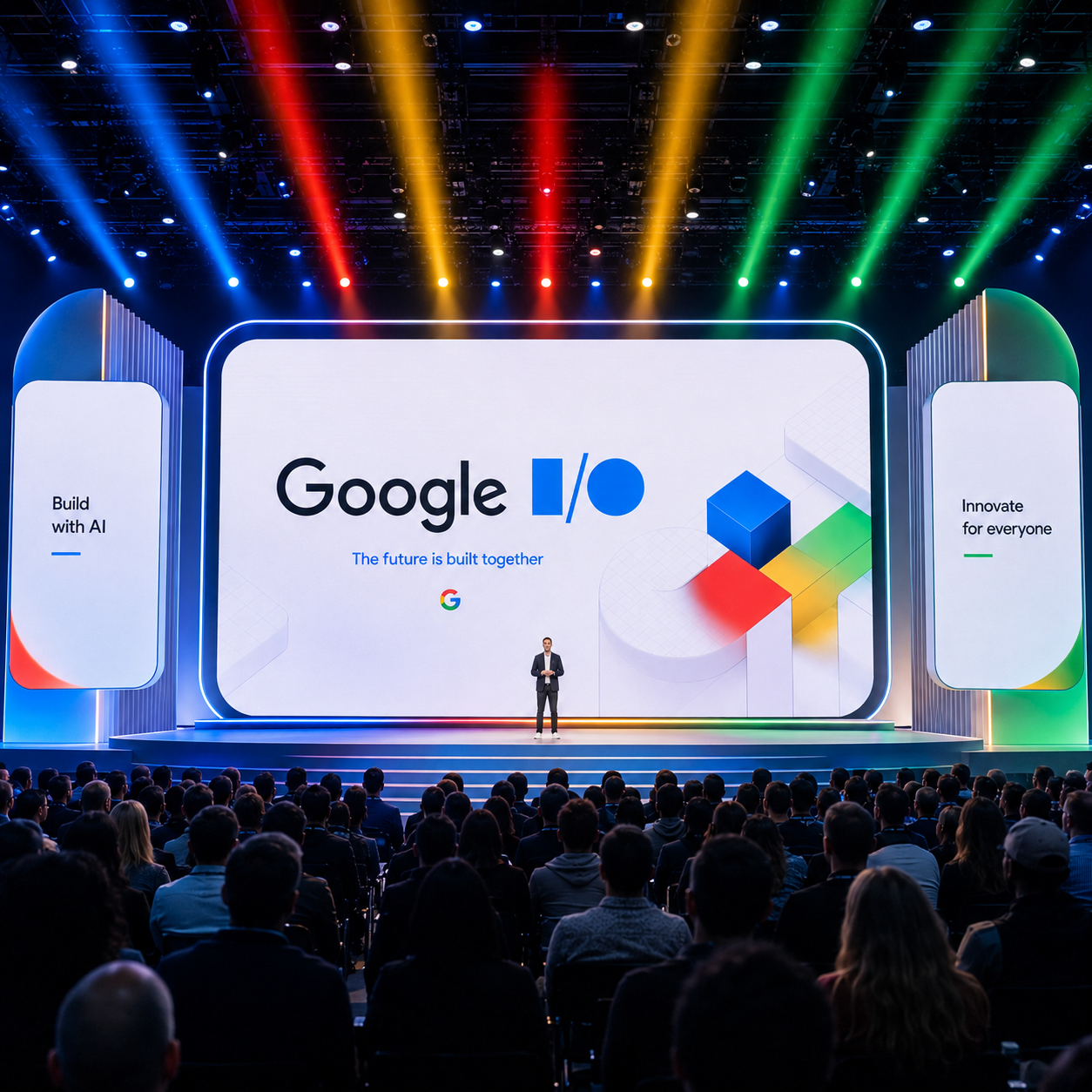
Google I/O 2026 was less about one model announcement and more about turning AI into a persistent layer across Search, Workspace, Android, shopping, glasses, and cloud agents. The signal is that the "AI app" is becoming less important than the environment where AI can observe, remember, act, and hand work across tools. Gemini Spark, AI-enhanced Search, smart glasses, and Workspace-connected agents all point toward AI becoming a system interface rather than a destination. This matters because businesses will increasingly need to design for agent-accessible workflows, not just human-clickable software. The important shift now is distribution: Google is embedding agents into surfaces billions of people already use.
FRAMEWORK WE'RE USING
The Two-View Problem: Why Every Production AI System Needs a Manager
One of the quietest but most consequential announcements at Google I/O 2026 was the architecture of Antigravity 2.0, Google's updated agent development platform. At its core, Antigravity introduced a dual-view model: an Editor view that functions like a familiar IDE for building and configuring agents, and a Manager view that serves as a live control center for orchestrating multiple agents running in parallel across workspaces. This separation is not cosmetic. It reflects a fundamental operational truth that anyone building production AI systems is already learning the hard way: building an agent and running an agent are two entirely different disciplines.

AIBES TECH OF THE WEEK
Gemini Omni: What Conversational Editing Architecture Teaches Us About Persistent Context
Google Omni is a useful reminder that multimodal systems should not be treated as "video generation tools" bolted onto a text workflow. The more powerful pattern is input-flexible orchestration: text, images, video, voice, and structured context all becoming valid starting points for the same creative or operational pipeline. For builders, the implementation lesson is to separate the user intent layer from the media-generation layer, then route the job through validation, asset retrieval, prompt assembly, model selection, review, and export. That architecture matters because multimodal systems fail when they are treated like magic boxes; they become useful when they are wrapped in constraints, brand memory, approval flows, and repeatable production patterns. Google framed Gemini Omni as part of a broader multimodal creation push at I/O, including video generation and content verification features such as SynthID.
TRENDING NEWS
- Grok Build enters the coding agent race.
- Elon Musk loses the OpenAI case.
- Anthropic's reported SpaceX compute deal highlights the infrastructure race.
- OpenAI files for IPO, racing SpaceX to a historic market debut.
- Anthropic acquires Stainless.

Quote We're Pondering:
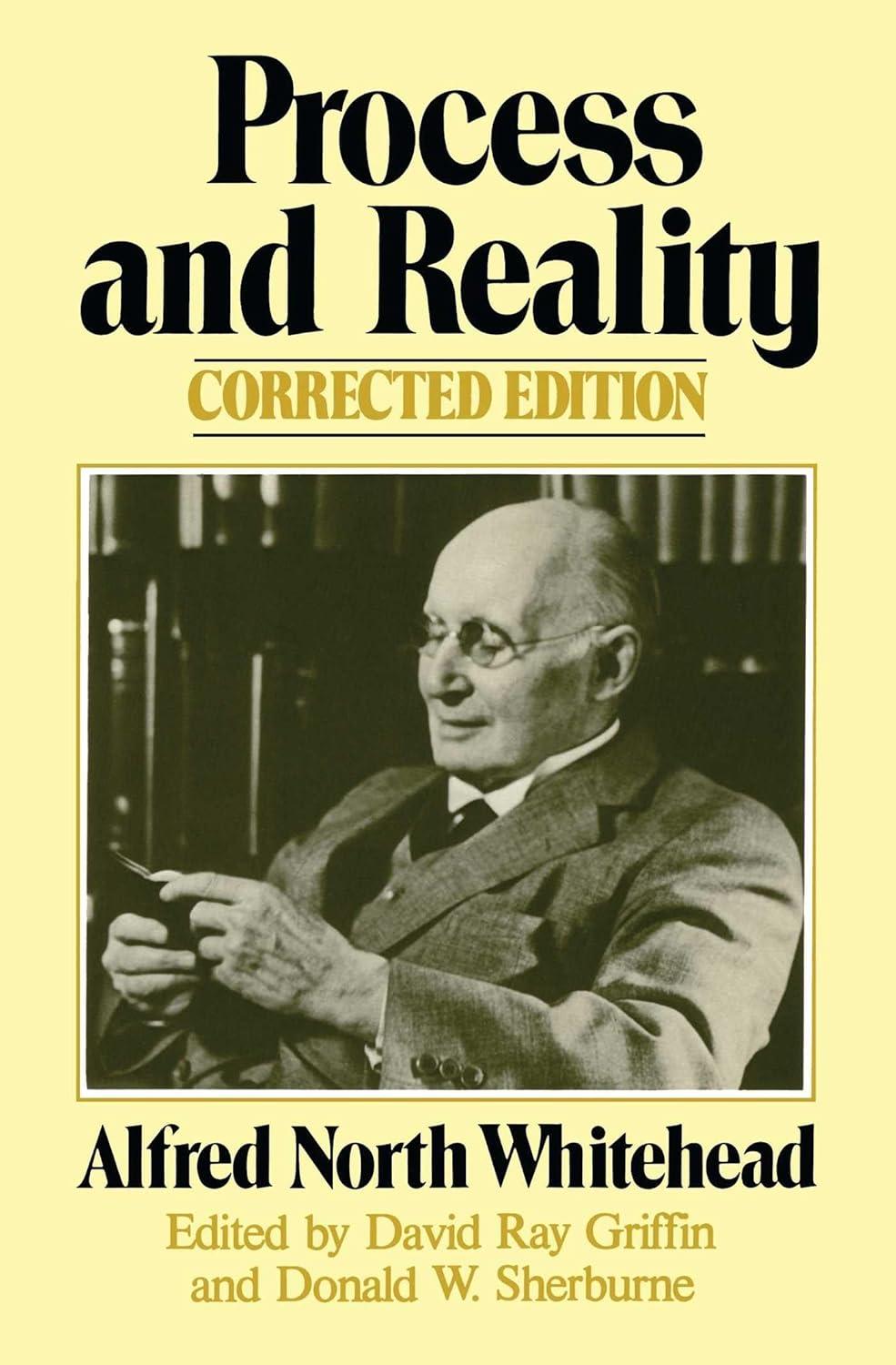
"Civilization advances by extending the number of important operations which we can perform without thinking about them."
- Alfred North Whitehead -- mathematician and philosopher, co-author of Principia Mathematica with Bertrand Russell (1861-1947)